
Optimal Timing for Asphalt Service
Understanding the optimal timing for asphalt service is essential to ensure durable and long-lasting results. Weather conditions, temperature, and humidity significantly influence the effectiveness of asphalt installation, repair, and maintenance. Proper timing helps prevent issues such as cracking, rutting, and surface deterioration.
Ideal for asphalt projects due to moderate temperatures and lower humidity, promoting proper curing and adhesion.
Suitable when temperatures remain warm but humidity decreases, ensuring efficient work and long-term durability.
Cold temperatures and frequent rain can hinder asphalt setting, leading to poor compaction and surface issues.
Optimal asphalt paving occurs when daytime temperatures are between 70-85°F, with overnight lows above 50°F.
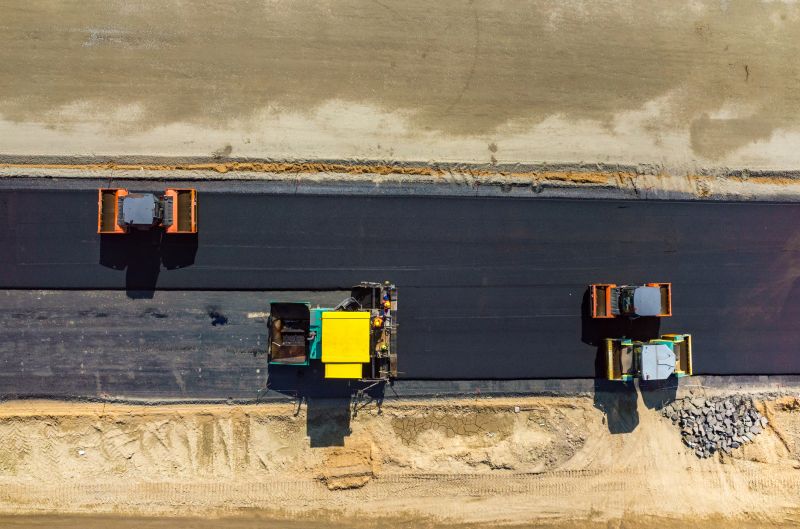
Ways to make Asphalt Service work in tight or awkward layouts.
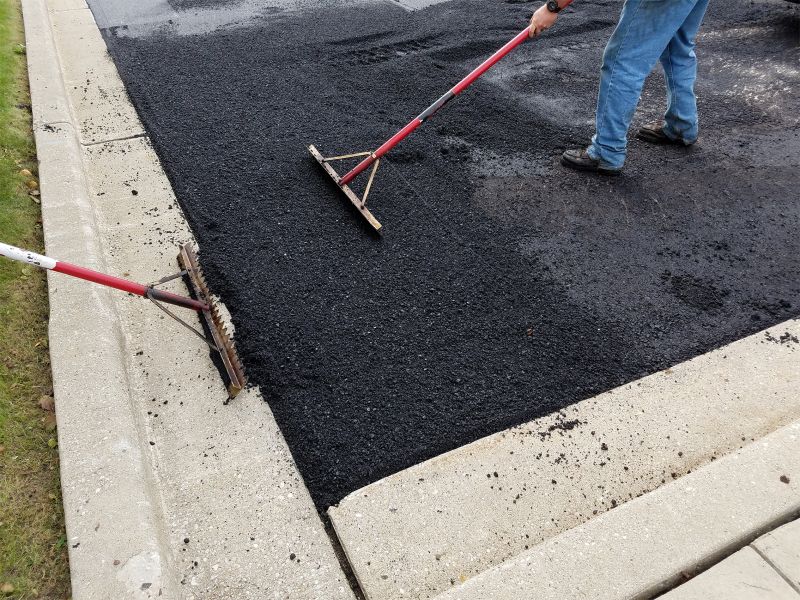
Popular materials for Asphalt Service and why they hold up over time.
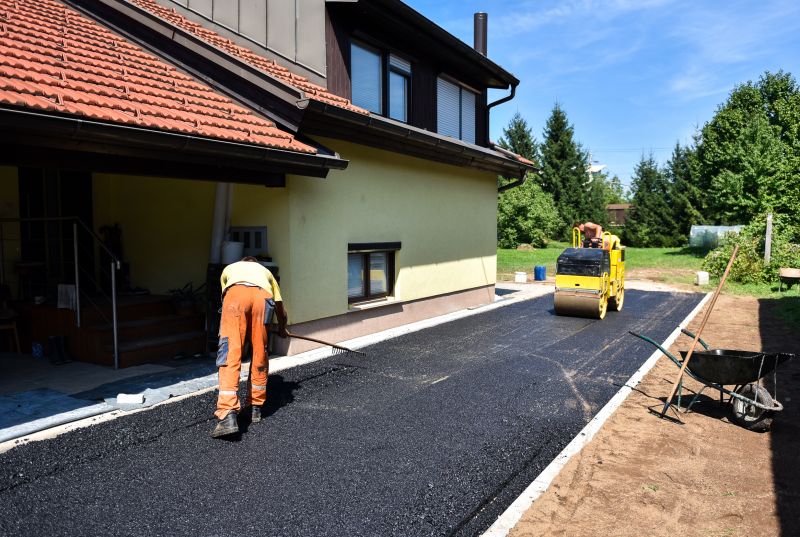
Simple add-ons that improve Asphalt Service without blowing the budget.
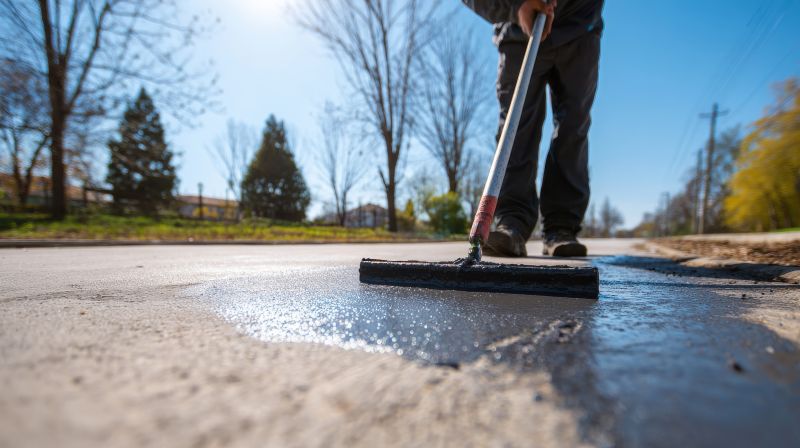
High-end options that actually feel worth it for Asphalt Service.
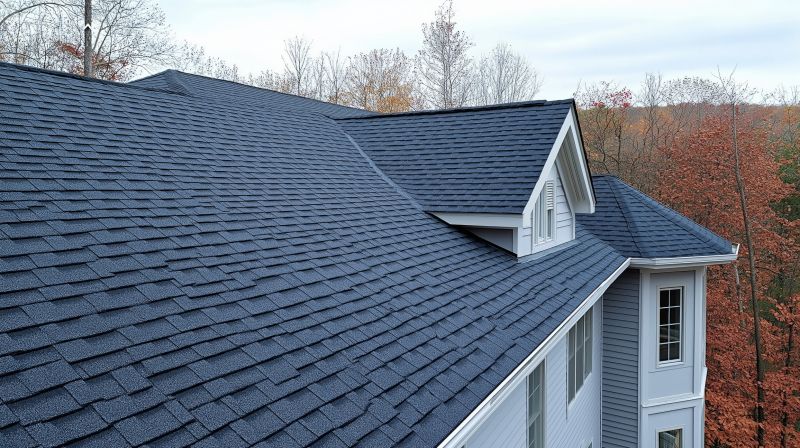
Finishes and colors that play nicely with Asphalt Service.
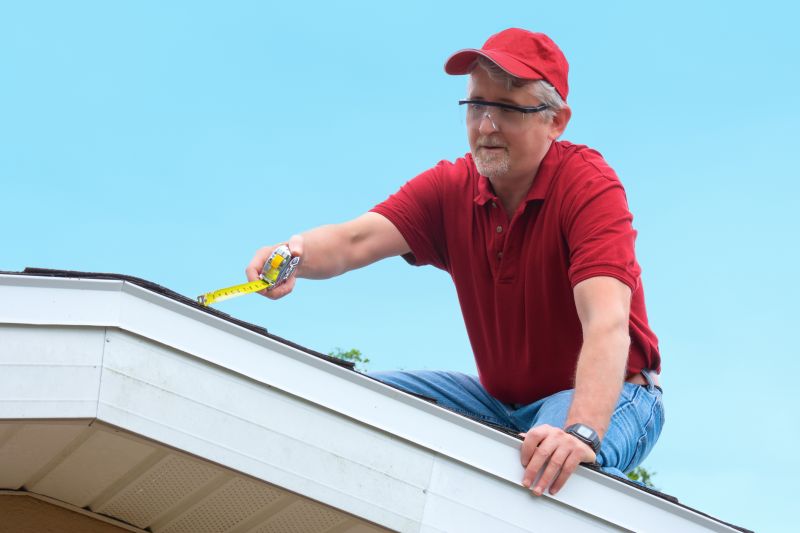
Little measurements that prevent headaches on Asphalt Service day.
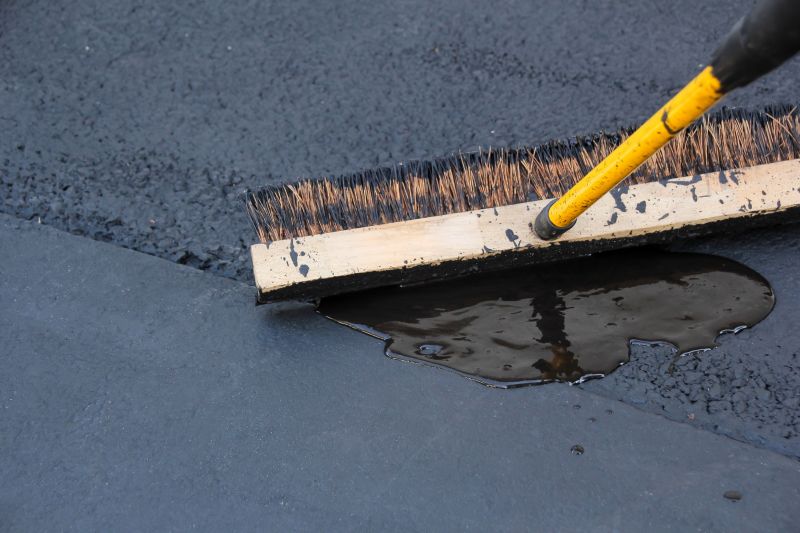
A 60-second routine that keeps Asphalt Service looking new.
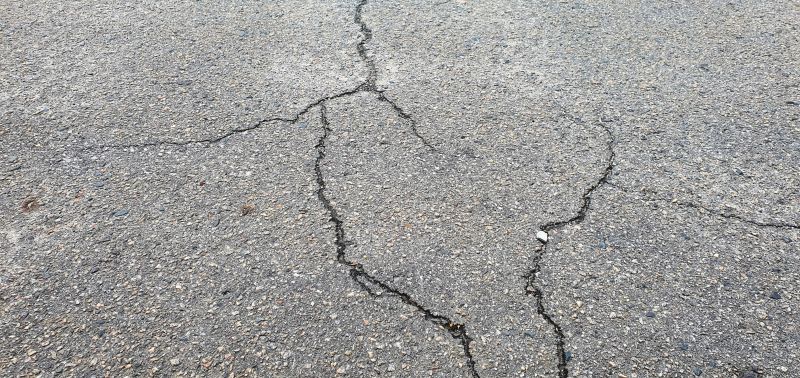
A frequent mistake in Asphalt Service and how to dodge it.
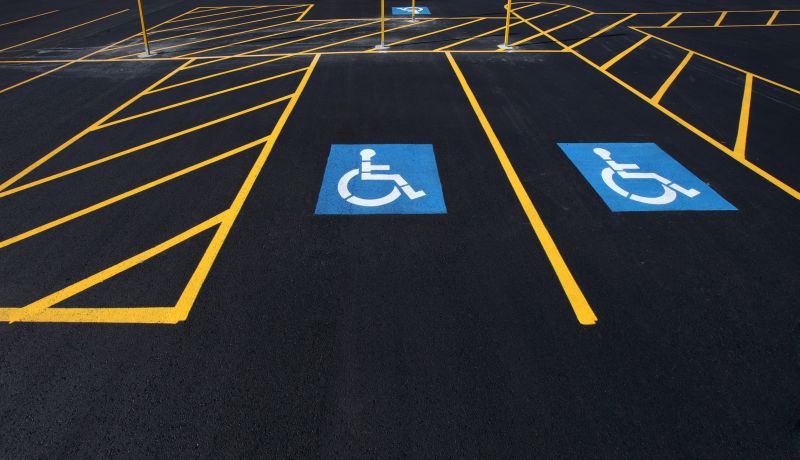
Small tweaks to make Asphalt Service safer and easier to use.
| Season | Recommended Action |
|---|---|
| Spring | Begin asphalt sealing and repairs as temperatures rise. |
| Early Summer | Schedule paving and maintenance during warm, dry conditions. |
| Late Summer | Perform repairs before cooler weather arrives. |
| Fall | Prepare surfaces for winter, avoiding major projects. |
| Winter | Generally avoid asphalt work due to cold and moisture. |
Asphalt service involves a range of processes including installation, repair, sealing, and maintenance to preserve the surface quality of driveways, parking lots, and roads. Proper timing ensures that asphalt adheres well, cures correctly, and resists weather-related damage. In Redwood City, timing is particularly important to avoid issues caused by the region’s variable climate, which can impact the longevity of asphalt surfaces.
Statistics indicate that asphalt surfaces installed or repaired during optimal weather conditions tend to last longer and require fewer repairs over time. For example, asphalt paved in temperatures between 70-85°F with low humidity has shown to have reduced cracking rates and improved compaction. Regular maintenance during favorable seasons extends the lifespan of asphalt surfaces, reducing long-term costs.
Lower-waste or water-saving choices for Asphalt Service.
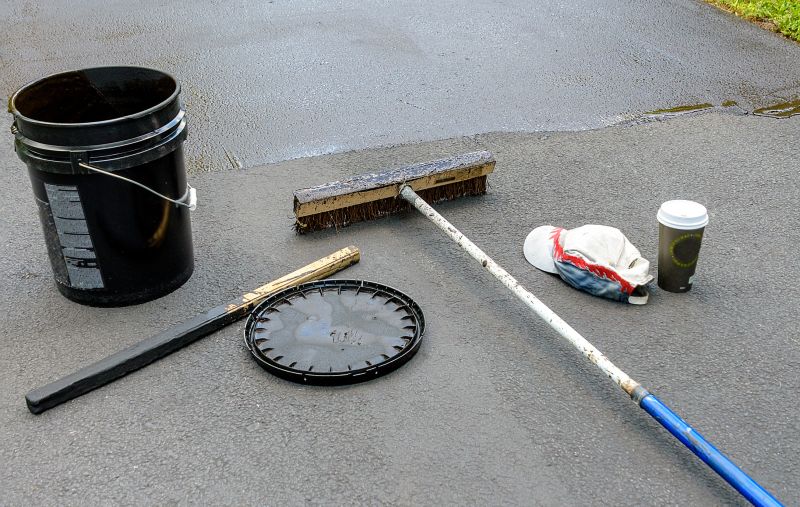
The short, realistic tool list for quality Asphalt Service.
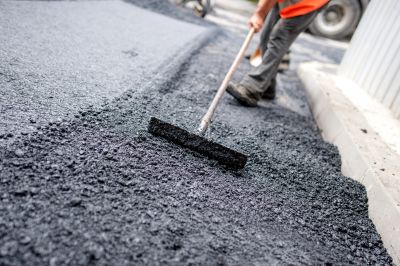
Rough timing from prep to clean-up for Asphalt Service.
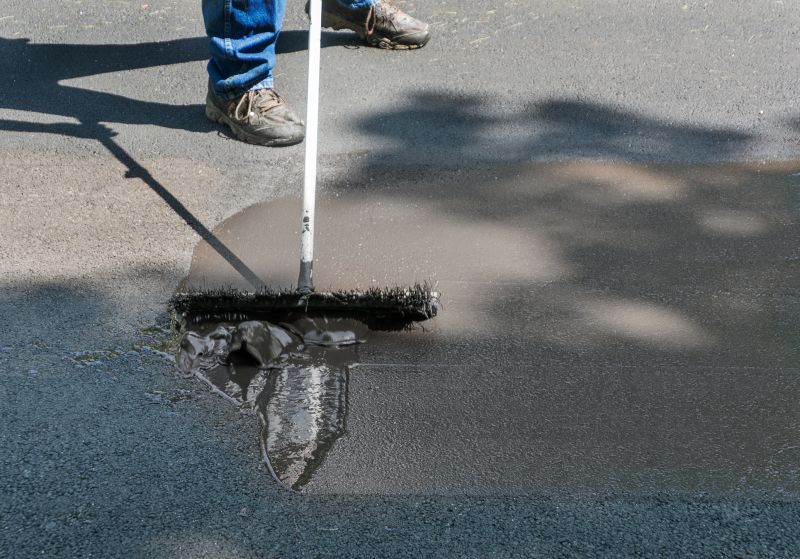
Quick checks and paperwork to keep after Asphalt Service.
For those interested in asphalt services, filling out the contact form provides a way to discuss specific project needs and timing considerations. Proper scheduling based on seasonal trends can enhance the durability and appearance of asphalt surfaces, ensuring long-term performance.