
Asphalt Paving vs. Concrete: Choosing the Right Surface
People searching for asphalt paving can find local contractors who can help determine whether asphalt or concrete best suits their project needs.
Choosing the right surface for a property’s driveway, parking lot, or pathway can significantly impact both functionality and appearance. Property owners in the area often explore the differences between asphalt paving and concrete to determine which material best suits their needs, whether for durability, maintenance, or aesthetic preferences. This page provides practical insights into these options, helping visitors understand the key factors that influence a surface’s performance and suitability, while highlighting how local contractors skilled in asphalt paving can support informed decision-making.
Understanding the unique advantages and considerations of asphalt paving versus concrete can make a notable difference in long-term satisfaction with a property’s surface. Local service providers specializing in asphalt paving are equipped to assist with the installation process, ensuring the chosen material aligns with the property’s specific requirements. Keep reading to explore the practical aspects of each surface type, and discover how experienced contractors can help bring the right solution to life.
- Driveway installation - homeowners considering asphalt paving vs. concrete for their driveway can rely on local contractors to assess durability and aesthetic preferences.
- Parking lot paving - business owners needing a long-lasting surface for parking areas often turn to local service providers experienced in asphalt solutions.
- Pathway and walkway paving - for garden or sidewalk projects, local pros can advise on the best surface choice based on usage and maintenance needs.
- Repaving and resurfacing - property managers seeking to upgrade or repair existing surfaces often work with local contractors skilled in asphalt and concrete options.
- Commercial surface projects - developers and business owners exploring asphalt paving vs. concrete for large-scale sites can find local experts to guide the decision.
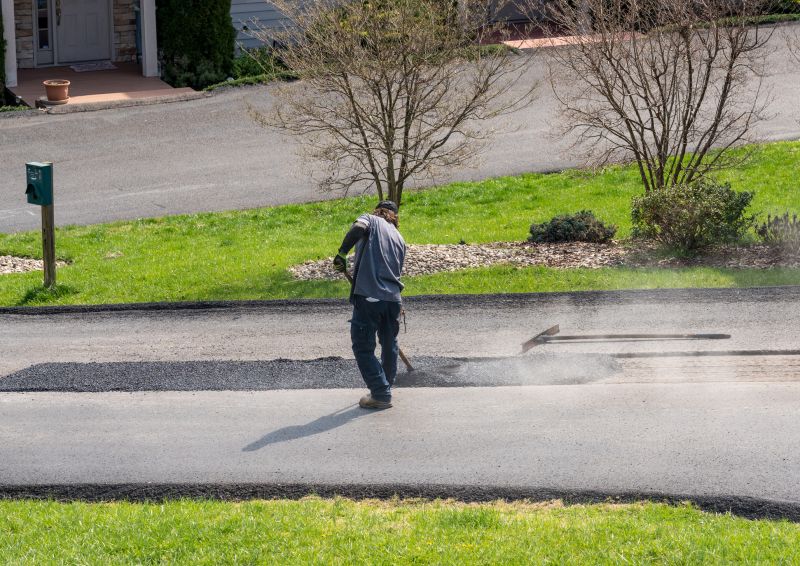
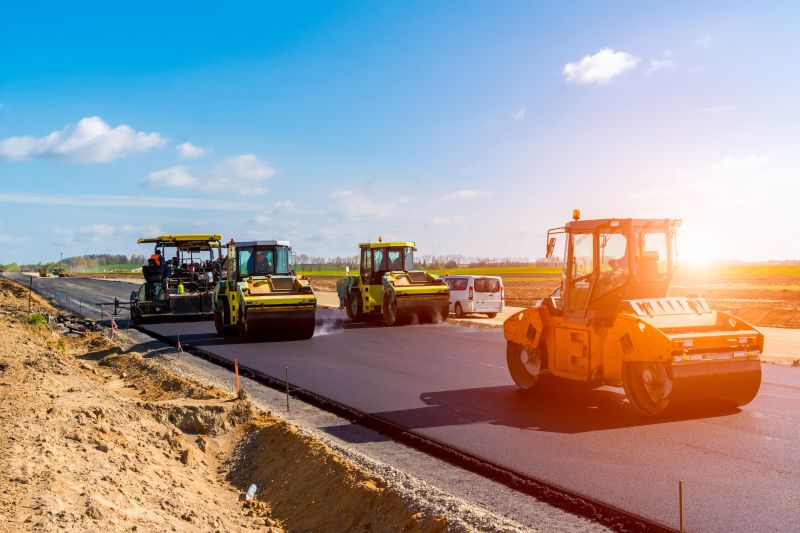
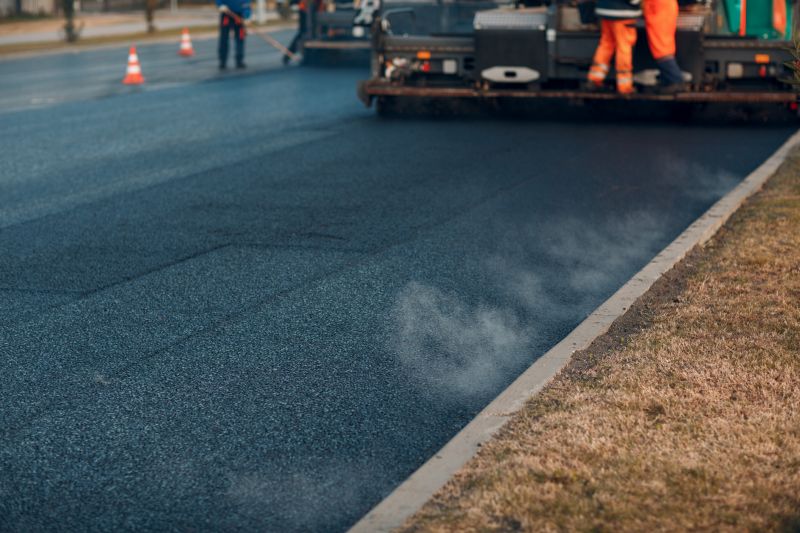
When homeowners search for information about asphalt paving versus concrete, they are often trying to determine the best type of surface for their specific project. This comparison typically comes up when planning to install or replace driveways, parking areas, walkways, or patios. People want to understand the differences in durability, appearance, and maintenance requirements to make informed decisions that will suit their property’s needs. The goal is to find a surface that not only fits the aesthetic preferences but also performs well over time, especially considering factors like weather, usage frequency, and budget constraints.
Many property owners associate this topic with common problems such as cracking, uneven surfaces, and frequent repairs. These issues can lead to increased costs and frustration if the wrong material is chosen initially. Residential properties, commercial parking lots, and even small business storefronts often come up in these discussions, as each has unique demands. For example, homeowners may prioritize curb appeal and longevity, while business owners focus on durability and ease of maintenance. Understanding the specific plans-whether it’s a new installation or resurfacing-helps determine which surface material will best meet the property’s functional and aesthetic goals.
The types of properties that typically come up in asphalt paving vs. concrete discussions include residential driveways, commercial parking lots, sidewalks, and recreational courts. Residential properties often seek a balance between cost and appearance, leaning toward concrete for its clean look or asphalt for affordability. Commercial properties, on the other hand, may prioritize durability and quick installation, making asphalt a popular choice for high-traffic areas. Smaller properties like patios or pathways also factor into these decisions, as homeowners consider how the surface will hold up under different weather conditions and daily use. Local service providers are experienced in working with these property types and can help evaluate which material aligns with the specific needs of each project.
For homeowners and property managers, understanding the differences between asphalt paving and concrete helps clarify which material will best serve their project goals. Local contractors specializing in asphalt paving can provide insights into how each surface performs in various conditions and usage scenarios. These professionals can assess the property’s location, traffic levels, and future plans to recommend the most suitable surface material. Whether it’s a driveway that needs to withstand harsh winters or a patio that emphasizes visual appeal, local pros can help identify the best options and handle the installation process. Connecting with experienced service providers ensures the chosen surface will meet the property’s demands for years to come.
Paving Driveways - local contractors specializing in driveway paving can help homeowners decide between asphalt and concrete based on durability, appearance, and maintenance needs.
Parking Lot Installation - experts in parking lot construction utilize similar planning and surface preparation skills for both asphalt and concrete surfaces.
Sidewalk and Walkway Construction - service providers experienced in sidewalk projects can advise on material choices that best suit traffic and weather conditions.
Patio and Outdoor Surface Projects - local pros can assist in selecting the right material for outdoor patios, balancing aesthetics with functionality.
Roadway Repair and Resurfacing - contractors skilled in roadway work apply comparable techniques and planning considerations as in asphalt paving vs. concrete discussions.
Industrial Flooring - specialists in industrial surface installation leverage similar skills in surface preparation and material selection for durable, long-lasting floors.
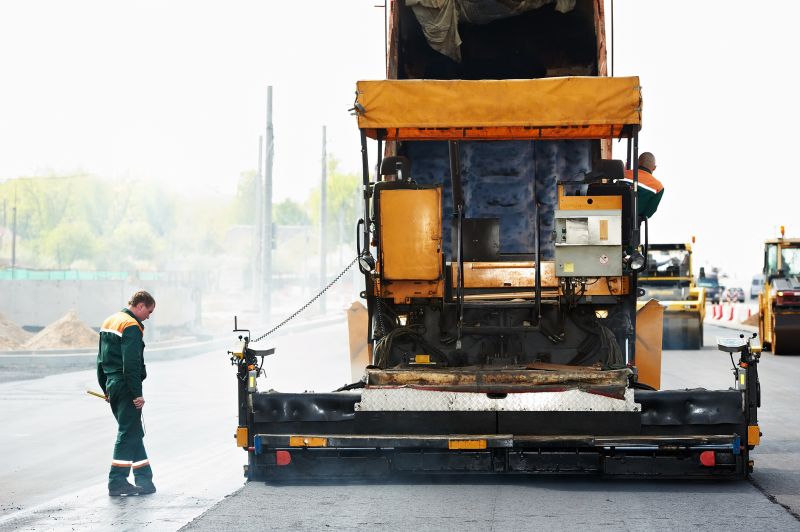
When evaluating asphalt paving versus concrete for a driveway or other surface, it is essential to consider the experience of local contractors with similar projects. Homeowners should seek out service providers who have a proven track record of handling projects comparable in size and scope. A contractor’s familiarity with the specific demands of asphalt paving and concrete installation can influence the quality and durability of the finished surface. When comparing options, ask potential contractors about their past work on similar projects to gauge their expertise and confidence in delivering results that meet expectations.
Clear written expectations are a vital component of choosing the right service provider. Homeowners should look for contractors who provide detailed proposals outlining the scope of work, materials to be used, and the projected process. This transparency helps ensure that everyone is aligned on what the project entails and reduces the risk of misunderstandings. When considering asphalt paving services, it’s important that contractors specify the type of asphalt, surface preparation methods, and finishing details to ensure the final result aligns with the homeowner’s needs.
Reputable references and effective communication are also key factors when selecting local contractors for asphalt paving or concrete projects. Service providers who can offer references from previous clients demonstrate a history of reliability and quality. Good communication throughout the process-whether through prompt responses or clear explanations-helps homeowners feel confident in their choice of contractor. By prioritizing contractors with strong reputations and open lines of communication, homeowners can better navigate the decision-making process and select a professional capable of delivering a durable, well-installed surface that suits their specific requirements.
Property owners often search for asphalt paving vs. concrete: choosing the right surface when they are planning practical projects around their homes and businesses. Local pros provide Asphalt Paving services for everyday jobs and straightforward project options.
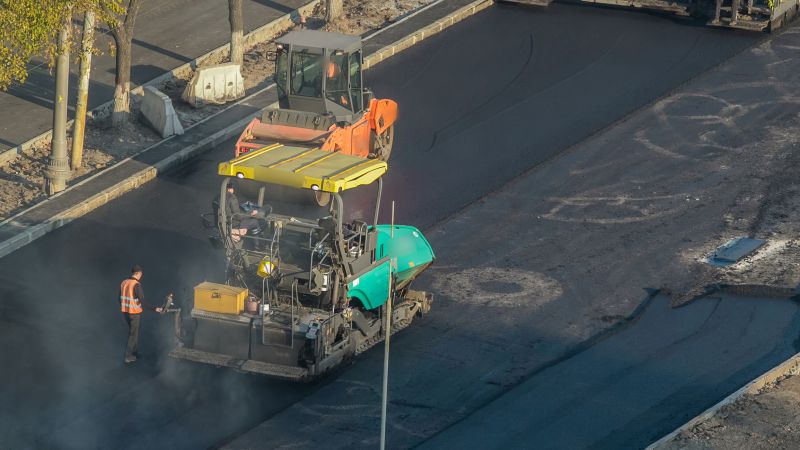
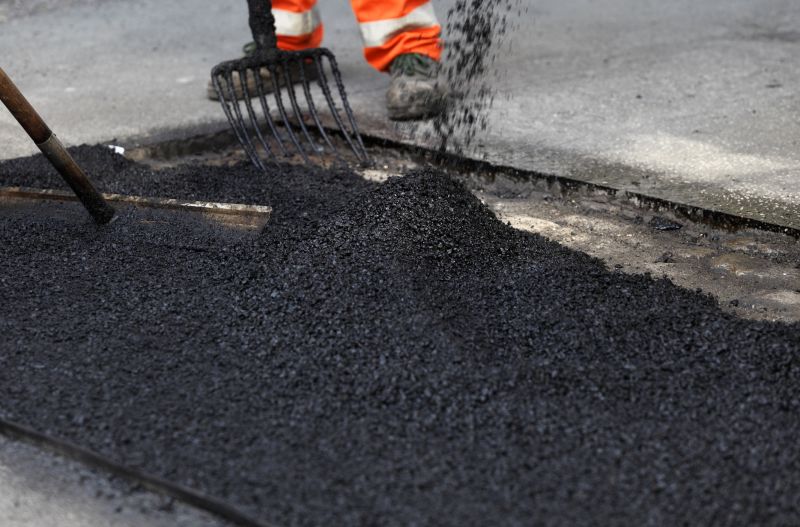
When considering driveway or parking lot upgrades, property owners often explore the differences between asphalt paving and concrete to determine which surface best suits their needs. Asphalt paving is known for its quick installation and smooth finish, making it a popular choice for those seeking a cost-effective and durable surface that can handle regular traffic. On the other hand, concrete offers a long-lasting, low-maintenance option that can withstand heavy loads and extreme weather conditions, making it suitable for properties with high traffic or specific aesthetic preferences. Local contractors can provide insights into which material aligns with the property's usage, climate, and long-term goals.
Property owners in the area looking to improve their driveways or outdoor surfaces may turn to local service providers for guidance on choosing between asphalt paving and concrete. Many local pros can help assess the project’s scope, budget, and environmental factors to recommend the most appropriate surface. Whether the goal is a quick, budget-friendly solution or a durable, low-maintenance finish, connecting with experienced local contractors can help ensure the right material is selected for the specific project needs.
What are the main differences between asphalt paving and concrete surfaces? Asphalt paving typically offers a smoother, flexible surface that is easier to repair, while concrete provides a durable, long-lasting finish with a more solid appearance. Local contractors can help determine which option best suits specific needs and usage.
Which surface type is more suitable for driveways with heavy vehicle traffic? Concrete often handles heavy loads better due to its strength and durability, but skilled asphalt paving from local service providers can also be designed to withstand frequent use, depending on the mix and installation quality.
How do climate conditions influence the choice between asphalt paving and concrete? In areas with freeze-thaw cycles, asphalt may perform better because it is more flexible and less prone to cracking, whereas concrete can be more susceptible to damage without proper reinforcement. Local pros can advise on the best option based on climate.
Are maintenance requirements different for asphalt paving and concrete surfaces? Yes, asphalt generally requires periodic sealing and repairs for cracks, while concrete may need joint sealing and occasional resurfacing. Local contractors can provide guidance on ongoing maintenance for each surface type.
Can local service providers customize asphalt paving or concrete surfaces to match specific aesthetic preferences? Yes, local pros can offer various finishes, colors, and textures for both asphalt and concrete surfaces to meet different style preferences and functional needs.
Assessing durability needs - property owners can evaluate the expected traffic and usage to decide whether asphalt paving or concrete is more suitable for their driveway or parking area, with help from local contractors.
Considering climate factors - those planning outdoor surfaces can discuss with local pros how weather conditions may impact the longevity of asphalt versus concrete surfaces in their area.
Matching aesthetic preferences - property owners can explore the visual appeal and customization options of each surface type to complement their property's style, with guidance from local service providers.
Evaluating maintenance requirements - individuals can consider the ongoing upkeep needed for asphalt paving versus concrete to determine which surface aligns better with their maintenance capabilities, with advice from local contractors.
If you are thinking about asphalt paving vs. concrete: choosing the right surface for a property, this guide is meant to help you understand this topic, the typical project types, and how different options might fit your plans.
When you are ready, you can use the quote form on this page to share a few details about your project. From there, local pros can review the basics and follow up with options that match what you have in mind.